
There are approximately 7.2 billion people in the world today. At some point in our world’s history, one of those 7.2 billion people studied the other 7.2 billion people in the world and determined that the females in the bunch were giving birth to 255 people per minute. Four and one-quarter babies every second. In the time it will take you to finish this paragraph, more than 130 little Aries kids will have unhappily come into this loud, bright, scary, cold world; more often than not born to happy parents proud of what they had accomplished. Forgive me if I’m dwelling. I wrote this paragraph after spending a few days in Philadelphia, dealing everyday with the consequences of overpopulation, of men and women who couldn’t keep it in their pants: thousands of similarly-dressed parasites involved in the same deeply-meaningful conversations about careers and love and the world’s problems; all while fighting for the last stool in the bar, the last parking spot on the street.
Three and one-half years ago, Mrs. Benchly and I invited 100 or so of the aforementioned 7.2 billion people to gather outside by the Maine seaside in their Autumn Saturday Best. After the familiar “Once Upon a Time” melody serenaded all 7 of the beautiful flower girls, and with the sun shining down upon us, preparing itself for  one of its more memorable sunsets, one of our friends, a man of the [friendly] cloth, informed the other 99 or so guests that “marriage, marriage is what brings us together today.” She was not The Princess Bride, I was not Westley, but ours was indeed true love, passionate and pure, which ultimately became a green union of yellow and blue built confidently as if by Masons, sealed with a kiss and a vow that “we shall keep together what share of trouble our lives may lay upon us. And we shall share together our store of goodness and plenty and love.” After a seemingly endless journey to find love, a journey at times so disheartening and soul-crushing that it inspired Papa Benchly to say—a month before I met Mrs. Benchly—that some people were just not intended to find love, this was the ending promised to us by Hollywood and its subsidiaries. When we said “I do, I do, I do,” we were signing on the dotted line of our Happy Ever After contract. This we believed, because how many married folks remember the fine print of their vows, anyway?
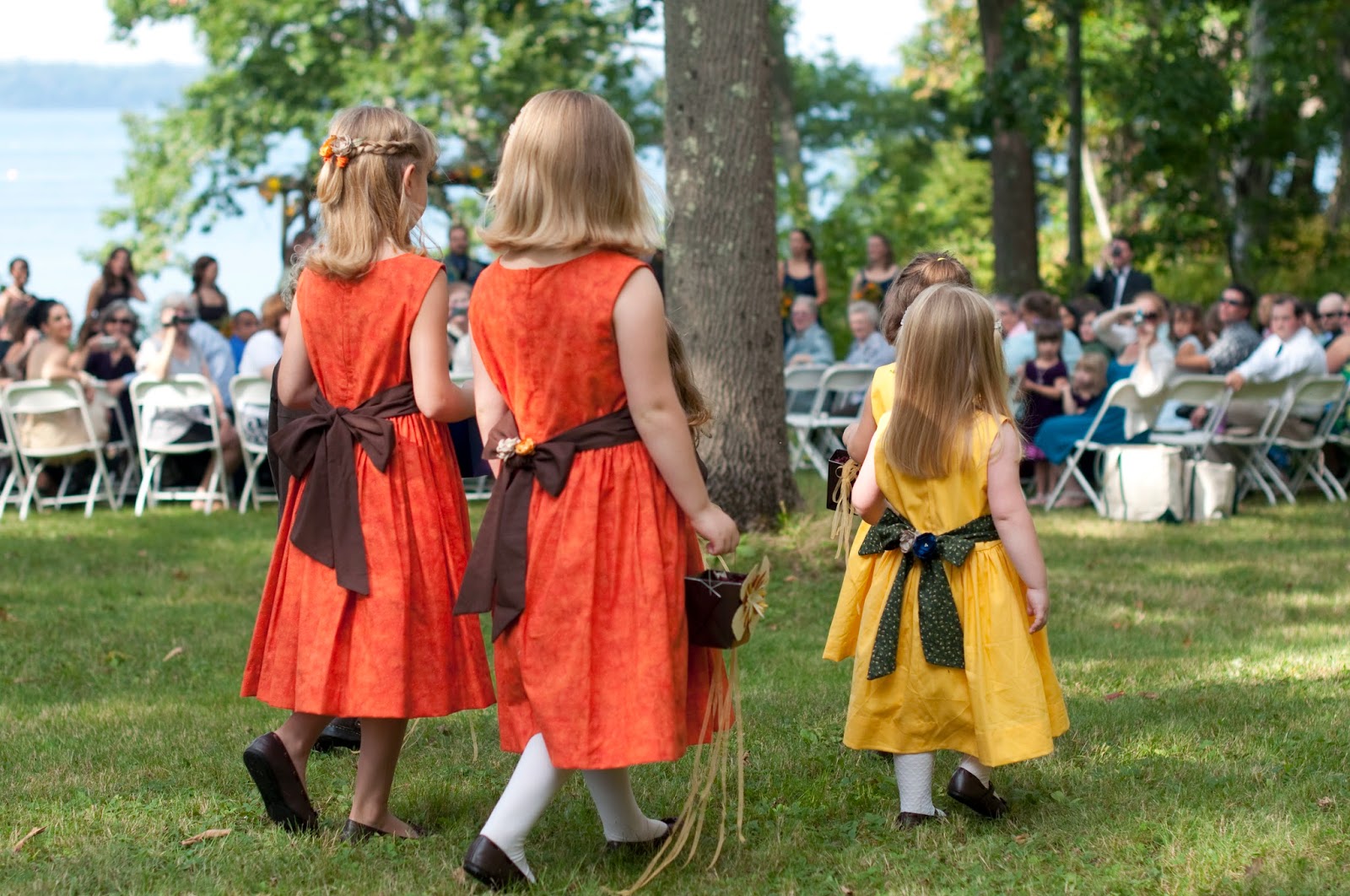 one of its more memorable sunsets, one of our friends, a man of the [friendly] cloth, informed the other 99 or so guests that “marriage, marriage is what brings us together today.” She was not The Princess Bride, I was not Westley, but ours was indeed true love, passionate and pure, which ultimately became a green union of yellow and blue built confidently as if by Masons, sealed with a kiss and a vow that “we shall keep together what share of trouble our lives may lay upon us. And we shall share together our store of goodness and plenty and love.” After a seemingly endless journey to find love, a journey at times so disheartening and soul-crushing that it inspired Papa Benchly to say—a month before I met Mrs. Benchly—that some people were just not intended to find love, this was the ending promised to us by Hollywood and its subsidiaries. When we said “I do, I do, I do,” we were signing on the dotted line of our Happy Ever After contract. This we believed, because how many married folks remember the fine print of their vows, anyway?
Our honeymoon was, cliché or not, perfect. We ventured to the Pacific Northwest in the autumn, with raincoats in tow, and returned home two weeks later nearly sporting  suntans. Mrs. Benchly rearranged our travel itinerary so that I might browse the hallowed grounds of Powell’s Books. On. Our. Honeymoon. Love. On more than one occasion, I walked around a park taking pictures of flowers. Again, love. We returned home to our dog, Agatha, the best dog in the world who smiles when she greets you and who falls—into your body and asleep—when you ask her to “snuggle.” For our first anniversary, we ventured to Germany in the autumn, and two weeks and 1400 pictures of sunsets, castles, and mountain peaks later, we returned home with those same unused raincoats folded neatly in the same spots in our luggage, two metaphorical foreshadows thinking to themselves, “should we be worried?”
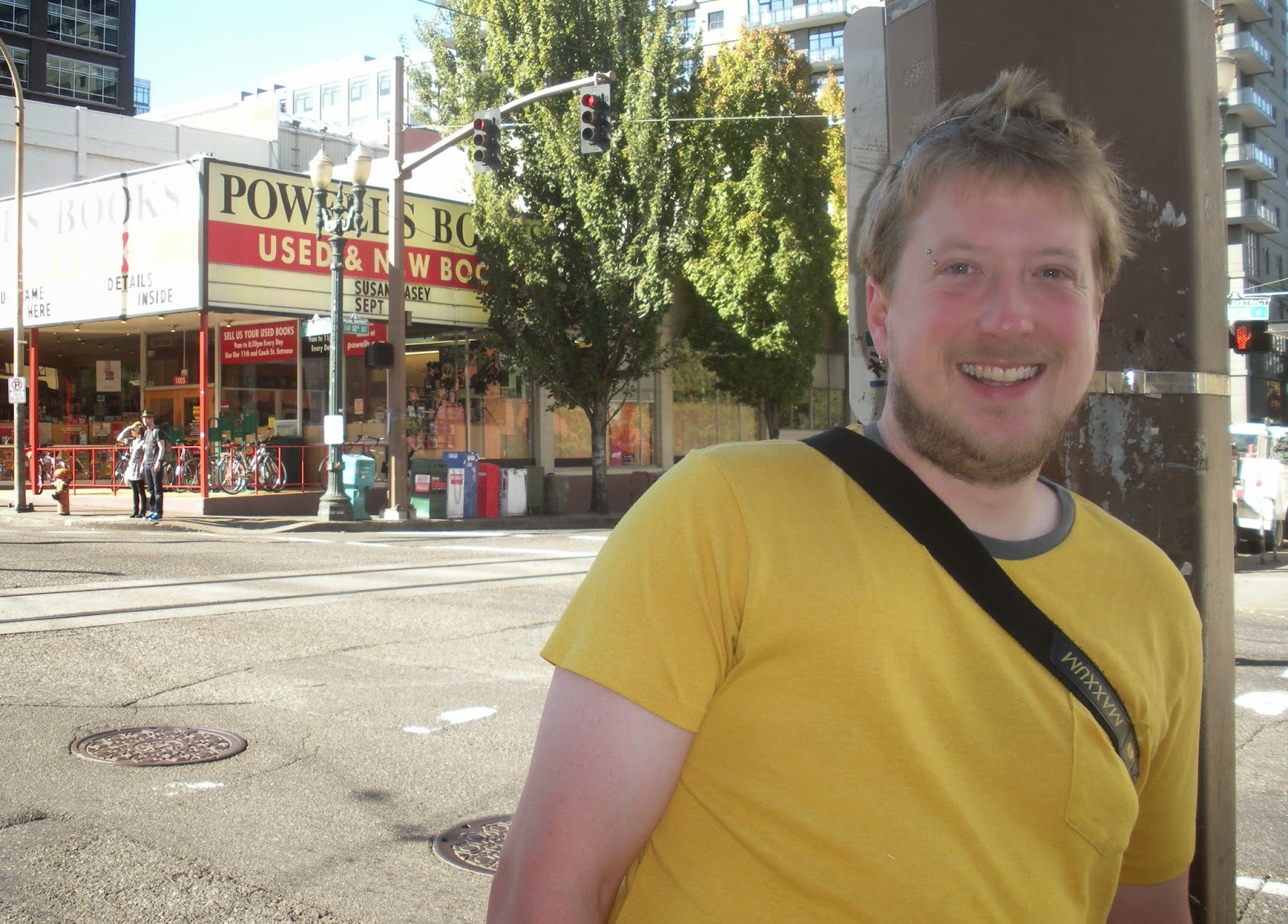 suntans. Mrs. Benchly rearranged our travel itinerary so that I might browse the hallowed grounds of Powell’s Books. On. Our. Honeymoon. Love. On more than one occasion, I walked around a park taking pictures of flowers. Again, love. We returned home to our dog, Agatha, the best dog in the world who smiles when she greets you and who falls—into your body and asleep—when you ask her to “snuggle.” For our first anniversary, we ventured to Germany in the autumn, and two weeks and 1400 pictures of sunsets, castles, and mountain peaks later, we returned home with those same unused raincoats folded neatly in the same spots in our luggage, two metaphorical foreshadows thinking to themselves, “should we be worried?”
 We suspected there might be a problem before there was one. Mrs. Benchly told me her fears before marriage, before law and God said we should try. If you were naïve, as I was then, you would say, as I tried to say then, that we were prepared for anything. But you wouldn’t be prepared, as we weren’t, because when you prepare for anything, for your share of trouble, what you’re really doing is praying to whomever will listen (wishing, really) to ensure your store of goodness and plenty and love. Isn’t that what Grandpa made you believe you’d get?
After a year, I wasn’t nervous. Maybe I was a little bit concerned, but that’s not the same thing. But then we entered a university study at the hospital because it gave us free access to expensive medicine. And then the study ended and we found ourselves stuck in  congestion on life’s highway surrounded by lanes of traffic flowing freely until we moved into them; two Michael Boltons watching their loved ones speed by them to their full-house destinations. And then we went back to the hospital (sans university study) because it gave us access to expensive medicine. We placed our checks in their hands like tokens in a slot machine; hospitals and casinos are not all that different. And then the treatments ended and we found ourselves staring at the same mile marker, faced with a realization that our dream of a life without pain was sold to us by a con artist.
congestion on life’s highway surrounded by lanes of traffic flowing freely until we moved into them; two Michael Boltons watching their loved ones speed by them to their full-house destinations. And then we went back to the hospital (sans university study) because it gave us access to expensive medicine. We placed our checks in their hands like tokens in a slot machine; hospitals and casinos are not all that different. And then the treatments ended and we found ourselves staring at the same mile marker, faced with a realization that our dream of a life without pain was sold to us by a con artist.There isn’t really a good word for our current reality. I keep coming back to the word that does not mean what one might think it means. It applies in a sense—our reality is not one either of us ever envisioned for our future—but the word still doesn’t mean what one might think it means. Even so, I can’t help but use this word. I use it to describe the reality that has been written for us. I use it to distance ourselves from this reality; to pretend that we’re characters in a beloved movie just two hours and one wheelbarrow away from a happy ending. Because then, when I can imagine our life existing in such a script, I don’t mind so much the countless scenes in the lives of those around me. The lives whose scripts don’t feature the word that does not mean what one might think it means.
 Benchly'sword
You must be logged in to post a comment.